Henderson County Dog Registration Information
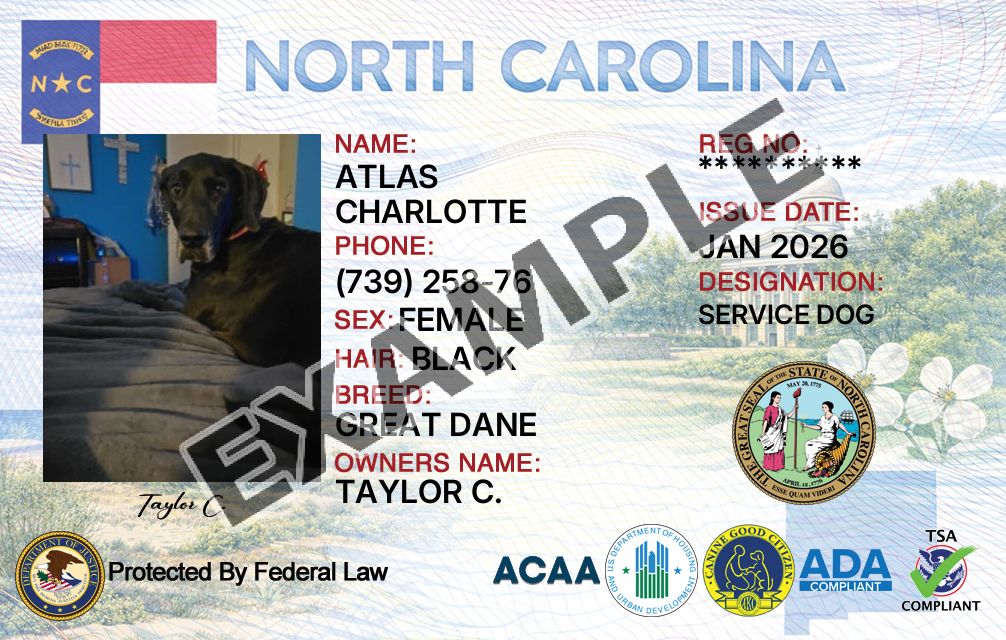
Service Dogs and Emotional Support Animals in Henderson, North Carolina
If you’re asking where do I register my dog in Henderson County, North Carolina for my service dog or emotional support dog, the key thing to know is this: in Henderson County, “registration” is usually about local rabies compliance and any local dog license rules (if applicable), not about getting a state or federal “service dog certificate.”
This page explains how a dog license in Henderson County, North Carolina typically works, which official agencies handle animal enforcement and rabies rules, and how service dogs and emotional support animals (ESAs) fit into those requirements. It also includes a practical office list so you can quickly identify where to register a dog in Henderson County, North Carolina without using vendor licensing companies, third-party services, or paid “registries.”
Where to Register or License Your Dog in Henderson County, North Carolina
Because pet licensing and enforcement are commonly handled at the local level, the most reliable way to confirm animal control dog license Henderson County, North Carolina steps is to contact official county or city offices directly. The offices below are commonly involved with animal enforcement, rabies rules, and related local requirements within Henderson County.
Henderson County Animal Services Center
The Animal Services Center is a key county location for animal services information and may help direct you to the correct process for licensing-related questions and rabies documentation practices in the county.
Henderson County Sheriff’s Office — Animal Enforcement Division (Animal Control Issues)
If your question is really about enforcement rules (dogs at large, nuisance issues, dangerous dog complaints) or rabies exposure guidance, this is typically the most relevant starting point.
Henderson County Department of Public Health
Public Health resources are often involved in rabies education, exposure guidance, and local coordination around rabies prevention requirements.
City of Hendersonville — Police Department (Animal Enforcement within City Limits)
If you live inside the City of Hendersonville limits, the city’s police department is listed as the contact for animal services-related calls within the city.
Overview of Dog Licensing in Henderson County, North Carolina
What “registering your dog” usually means locally
When people search “where do I register my dog,” they often mean one of three things:
- Getting or renewing a local dog license in Henderson County, North Carolina (if your municipality or county rules require one).
- Making sure the dog has a current rabies vaccination and wears a valid rabies tag, which is a common enforcement focus.
- Seeking a service dog or ESA “registration,” which is frequently misunderstood and commonly promoted by third-party sites that are not government agencies.
In Henderson County, official guidance emphasizes rabies prevention and animal enforcement. If you need to confirm any licensing requirement for your exact address (county area vs. city limits), start with Henderson County Animal Services / Animal Enforcement and, if you reside inside the City of Hendersonville, confirm city-level requirements as well.
Rabies vaccination is a statewide requirement (and is actively enforced locally)
North Carolina law requires that owned dogs, cats, and ferrets be vaccinated against rabies starting at four months of age, and local rules may require that a dog wear a valid rabies tag. Henderson County also publishes rabies prevention guidance, including reminders that owners must keep a valid rabies tag on pets and that failure to comply may result in a fine.
How Dog Licensing Works Locally in Henderson County, North Carolina
Step 1: Confirm which jurisdiction applies to your home address
“Local” can mean different things depending on where you live. In Henderson County, animal enforcement responsibilities can differ between:
- Unincorporated Henderson County (generally handled through county animal enforcement)
- Within the City of Hendersonville limits (city animal enforcement calls are directed to the city’s police department)
- Other municipalities within Henderson County (may have their own ordinances and points of contact)
If you’re unsure, call one of the offices listed above and tell them your street address (or at least your city/town and whether you’re inside city limits). They can route you to the correct local process for any dog license questions.
Step 2: Keep rabies documentation current
Even when a county doesn’t use a separate “annual dog license” system, rabies vaccination compliance is still a core legal requirement. In practice, the documentation you should keep on hand includes:
- Rabies vaccination certificate from a licensed veterinarian
- Rabies tag number (and the tag on your dog’s collar when required)
- Any additional records you may need if you move, travel, or are asked to prove current vaccination
Henderson County indicates that it partners with local veterinarians and the health department to offer low-cost rabies clinics at certain times of the year; if cost is a concern, ask Public Health or Animal Services about upcoming clinic dates.
Step 3: Ask about any local licensing or tag rules (and fees)
If you specifically need a “dog license” for a lease, HOA, adoption paperwork, employer requirement, or travel documentation, ask the office you contact what Henderson County (or your municipality) considers a license and what proof they issue. Some areas treat rabies compliance and tag-wearing as the primary “registration” requirement; others may have separate licensing rules. Because these details are local, the fastest answer is usually a direct call to Animal Services / Animal Enforcement for your jurisdiction.
If your dog is a service dog or emotional support animal
A service dog or ESA generally still needs to meet the same public health and animal control requirements as any other dog (including rabies vaccination). The difference is not “licensing,” but what the law says about public access and housing rights, which are covered in the next sections.
Service Dog Laws in Henderson County, North Carolina
Service dogs are defined by training and task work, not by online registration
For most everyday situations, a dog is a service dog because it is trained to do specific work or perform tasks for a person with a disability. That means:
- A service dog is not made “official” by purchasing a certificate online.
- Local government typically focuses on public safety rules (leash laws, nuisance rules) and public health rules (rabies vaccination), not on issuing service dog “licenses.”
- A service dog can be professionally trained or owner-trained, as long as it performs disability-related tasks.
If you’re trying to figure out where to register a dog in Henderson County, North Carolina specifically “as a service dog,” you’ll usually find there isn’t a county “service dog registry” that creates legal status. Instead, keep your dog’s rabies vaccination current and focus on the documentation you may need for specific contexts (housing requests, workplace accommodations, travel policies, etc.).
Local rules still apply: rabies, leash, and nuisance enforcement
Service dogs are still dogs under local animal ordinances. In Henderson County, officials publish animal enforcement contacts and rabies prevention requirements, including that pets should wear a valid rabies tag. If you have questions about compliance in county areas, ask Animal Enforcement; if you are within the City of Hendersonville limits, use the city contact listed above for animal enforcement calls.
Practical tip: avoid vendor “registries” when you need an official answer
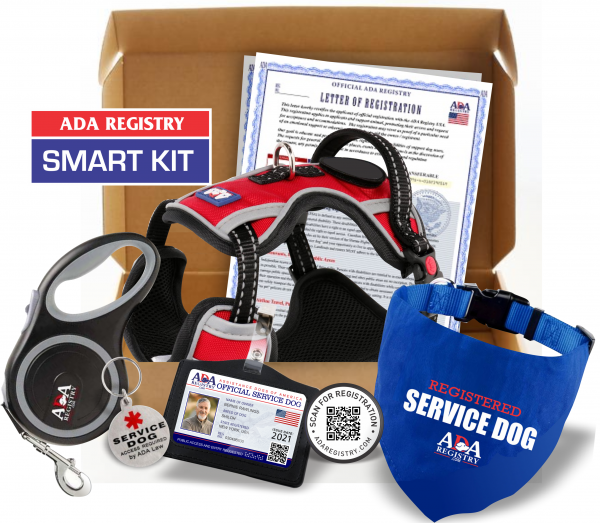
Many websites sell service dog IDs, vests, and “registration numbers.” Those may be optional accessories, but they are not the same thing as a government-issued license. If your goal is compliance (for example, you’re asking about an animal control dog license Henderson County, North Carolina requirement), your best source is the county or city offices listed earlier.
Emotional Support Animal Rules in Henderson County, North Carolina
An ESA is not the same as a service dog
Emotional support animals help by providing comfort or support, but they generally do not have the same public-access rights as trained service dogs. This distinction matters because it affects where your dog can go and what businesses can require.
- Service dog: trained to perform tasks for a disability (public-access rights are broader)
- Emotional support animal (ESA): typically supported by clinical documentation for certain housing-related needs, but not automatically allowed in all public places
- Pet: subject to standard pet policies unless another law applies
If you’re searching for “ESA registration,” be cautious: many third-party sites advertise registrations that are not required by law. Focus on the specific need you’re trying to meet (housing, travel, workplace) and obtain documentation through the appropriate, legitimate channel for that context.
ESAs still must follow local health and animal rules
Whether your dog is a pet, service dog, or ESA, rabies vaccination requirements remain in effect. Henderson County’s public health guidance emphasizes rabies vaccination and the expectation that pets wear a valid rabies tag, and the county identifies animal enforcement contacts for animal control issues.
If your landlord asks for proof
Landlords and property managers often ask for basic records like rabies vaccination proof or local compliance documentation. If they request a “license,” clarify what they mean (rabies certificate, rabies tag number, or a local license document if your jurisdiction issues one). If you need help understanding what Henderson County recognizes, contact the official offices listed in the registration section.
Frequently Asked Questions
Summary: where to register a dog in Henderson County, North Carolina
If you want to know where to register a dog in Henderson County, North Carolina—including for a service dog or emotional support dog—start with official local contacts: Henderson County Animal Services (Animal Services Center), the Henderson County Sheriff’s Office Animal Enforcement Division for animal control issues, and Henderson County Public Health for rabies guidance. If you live within the City of Hendersonville, the city lists its police department for animal services calls within city limits. This approach helps you meet local compliance expectations and avoid confusing third-party “registrations” that do not replace a legitimate dog license in Henderson County, North Carolina or rabies requirements.
Register A Dog In Other North Carolina Counties
Select your county below to get started with your dog’s ID card. Requirements and license designs may vary by county, so choose your location to see the correct options and complete your pup’s registration.
- Alamance County Dog Registration
- Alexander County Dog Registration
- Alleghany County Dog Registration
- Anson County Dog Registration
- Ashe County Dog Registration
- Avery County Dog Registration
- Beaufort County Dog Registration
- Bertie County Dog Registration
- Bladen County Dog Registration
- Brunswick County Dog Registration
- Buncombe County Dog Registration
- Burke County Dog Registration
- Cabarrus County Dog Registration
- Caldwell County Dog Registration
- Camden County Dog Registration
- Carteret County Dog Registration
- Caswell County Dog Registration
- Catawba County Dog Registration
- Chatham County Dog Registration
- Cherokee County Dog Registration
- Chowan County Dog Registration
- Clay County Dog Registration
- Cleveland County Dog Registration
- Columbus County Dog Registration
- Craven County Dog Registration
- Cumberland County Dog Registration
- Currituck County Dog Registration
- Dare County Dog Registration
- Davidson County Dog Registration
- Davie County Dog Registration
- Duplin County Dog Registration
- Edgecombe County Dog Registration
- Forsyth County Dog Registration
- Franklin County Dog Registration
- Gaston County Dog Registration
- Gates County Dog Registration
- Graham County Dog Registration
- Granville County Dog Registration
- Greene County Dog Registration
- Guilford County Dog Registration
- Halifax County Dog Registration
- Harnett County Dog Registration
- Haywood County Dog Registration
- Hertford County Dog Registration
- Hoke County Dog Registration
- Hyde County Dog Registration
- Iredell County Dog Registration
- Jackson County Dog Registration
- Johnston County Dog Registration
- Jones County Dog Registration
- Lee County Dog Registration
- Lenoir County Dog Registration
- Lincoln County Dog Registration
- Macon County Dog Registration
- Madison County Dog Registration
- Martin County Dog Registration
- McDowell County Dog Registration
- Mecklenburg County Dog Registration
- Mitchell County Dog Registration
- Montgomery County Dog Registration
- Moore County Dog Registration
- Nash County Dog Registration
- New Hanover County Dog Registration
- Northampton County Dog Registration
- Onslow County Dog Registration
- Orange County Dog Registration
- Pamlico County Dog Registration
- Pasquotank County Dog Registration
- Pender County Dog Registration
- Perquimans County Dog Registration
- Person County Dog Registration
- Pitt County Dog Registration
- Polk County Dog Registration
- Randolph County Dog Registration
- Richmond County Dog Registration
- Robeson County Dog Registration
- Rockingham County Dog Registration
- Rowan County Dog Registration
- Rutherford County Dog Registration
- Sampson County Dog Registration
- Scotland County Dog Registration
- Stanly County Dog Registration
- Stokes County Dog Registration
- Surry County Dog Registration
- Swain County Dog Registration
- Transylvania County Dog Registration
- Tyrrell County Dog Registration
- Union County Dog Registration
- Vance County Dog Registration
- Wake County Dog Registration
- Warren County Dog Registration
- Washington County Dog Registration
- Watauga County Dog Registration
- Wayne County Dog Registration
- Wilkes County Dog Registration
- Wilson County Dog Registration
- Yadkin County Dog Registration
- Yancey County Dog Registration